

We use only PREMIUM MARINE MATERIALS
Premium Marine Materials
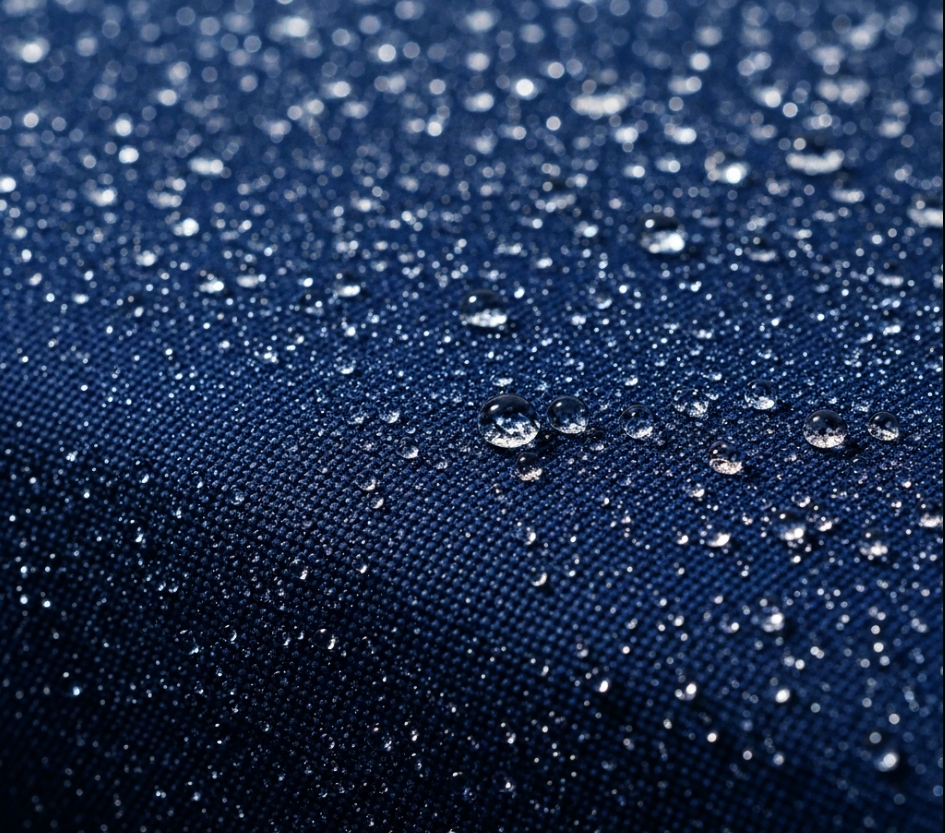
Designed to survive harsh marine conditions.
01
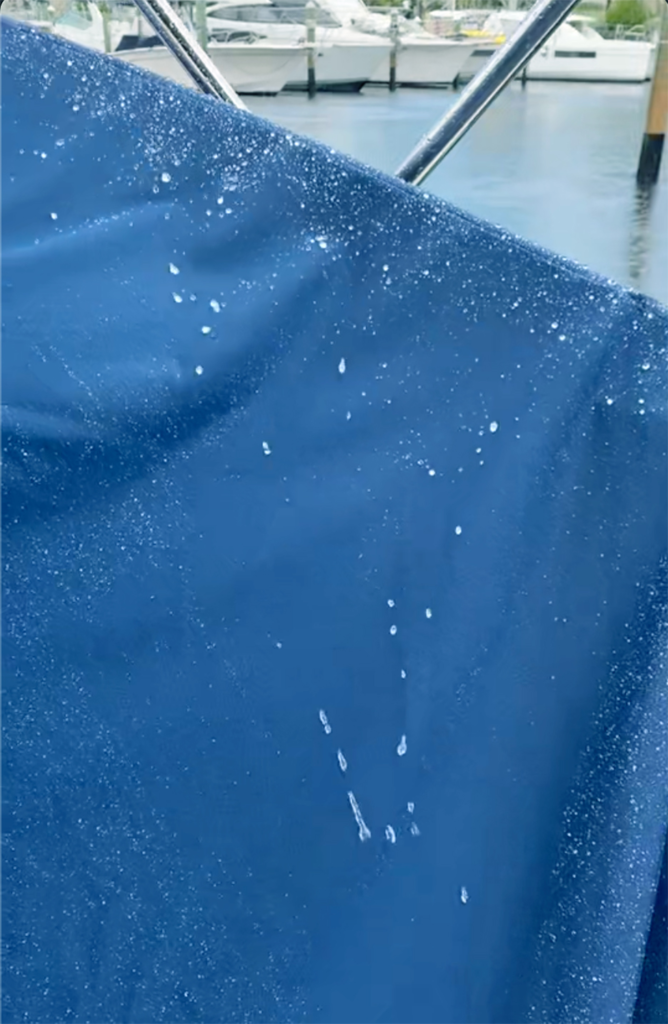
Waterproof & UV Resistant

02
Marine Premium Fabric Covers

03
Coated Fabrics
BIMINI AND COVERS
Waterproof and UV-resistant materials on boats are specialized marine-grade fabrics, coatings, and vinyls designed to withstand harsh saltwater, sun exposure, and mildew. Key materials include solution-dyed acrylic, polyester, PVC (vinyl), and EVA/PE foam, which protect seats, covers, and structural components from fading and water damage.
STRONG THREADS
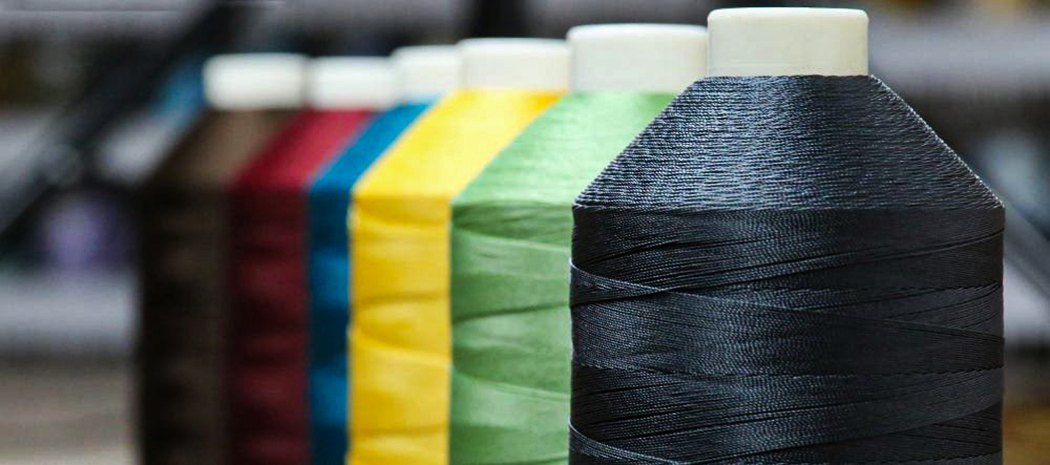
Marine-grade stitching on boats refers to the use of highly durable, UV-resistant, and mildew-resistant threads—typically bonded polyester or PTFE (Polytetrafluoroethylene)—designed to withstand intense sun, saltwater, and moisture without rotting or breaking. It ensures longevity for upholstery and covers through specialized, high-strength, and often anti-wicking, stitching techniques.
Premium Marine Materials
Strong seams that won’t fail.
01
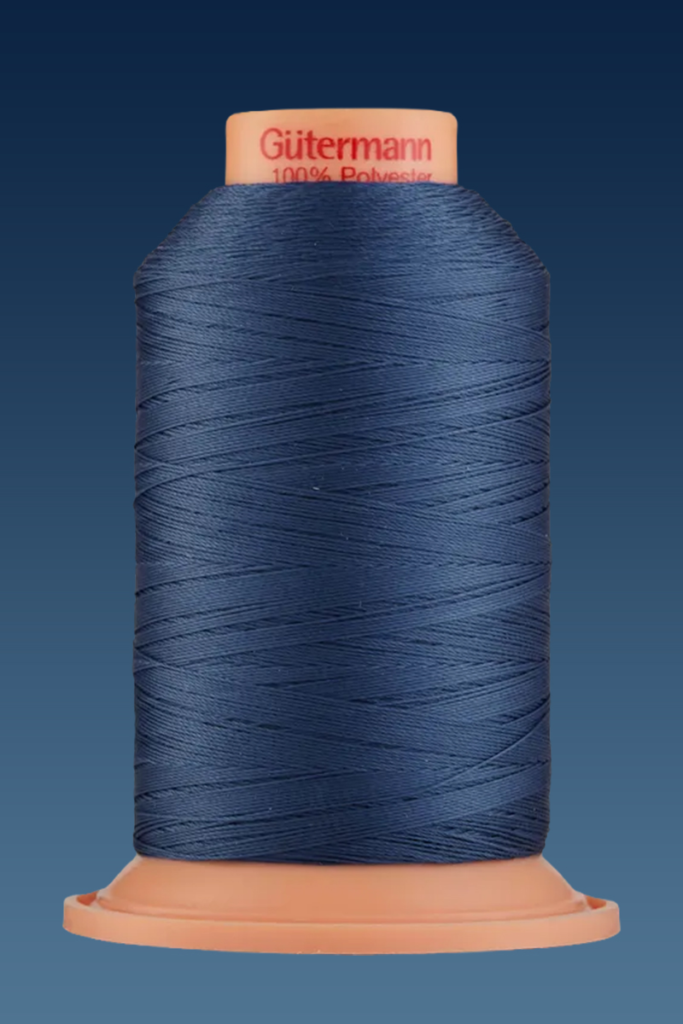
Bonded Polyester 100% Polyester
02
Variety of Elegant Colored Threads
03
Anti-Wicking / Waterproof
Detailed explanation of the products mentioned above
Waterproof & UV Resistant
Waterproof and UV-resistant materials on boats are specialized marine-grade fabrics, coatings, and vinyls designed to withstand harsh saltwater, sun exposure, and mildew. Key materials include solution-dyed acrylic, polyester, PVC (vinyl), and EVA/PE foam, which protect seats, covers, and structural components from fading and water damage.
Key Waterproof & UV-Resistant Boat Materials:
- Marine Fabrics: Solution-dyed acrylic (e.g., Sunbrella) and marine-grade polyester are common for covers, providing excellent UV resistance, water repellency, and breathability to prevent mold.
- Marine Vinyl (PVC): Widely used for boat upholstery, seating, and enclosures, marine vinyl is inherently waterproof, resistant to mildew, and often treated for UV protection.
- Coated Fabrics: Materials like Weblon Regatta, which combine polyester fibers with a vinyl coating, offer a waterproof, mildew-resistant, and heat-resistant solution for bimini tops and covers.
- EVA/PE Foam Flooring: Closed-cell foam (e.g., Nauteva) is completely waterproof, UV-resistant, and durable, making it ideal for decking.
- Coatings & Paints: Gelcoat provides a protective, UV-resistant, and waterproof surface for fiberglass hulls. Modified acrylic marine paints also offer high UV protection and water resistance.
Key Considerations for Selection:
- Denier Count: Higher denier fabrics (e.g., 600D to 1200D) indicate higher strength and better protection against elements.
- Breathability: While covers must be waterproof, they must also be breathable to prevent trapped moisture and mildew.
- UPF Rating: High-end fabrics should have a UPF 50+ rating, blocking over 98% of harmful UV rays.
Marine-Grade Stitching
Marine-grade stitching on boats refers to the use of highly durable, UV-resistant, and mildew-resistant threads—typically bonded polyester or PTFE (Polytetrafluoroethylene)—designed to withstand intense sun, saltwater, and moisture without rotting or breaking. It ensures longevity for upholstery and covers through specialized, high-strength, and often anti-wicking, stitching techniques.
Key Components of Marine-Grade Stitching:
- Thread Type:
- Bonded Polyester: The most common choice, known for its high strength, UV resistance, and ability to handle the harsh marine environment.
- Key Properties:
- UV Resistance: Threads are treated to resist breakdown from direct sun exposure, preventing premature failing.
- Anti-Wicking/Waterproof: Thread often features a lubricant that prevents water from traveling down the thread and into the needle hole, keeping seams watertight.
- Mildew/Mold Resistance: Formulated to resist rot and fungal growth in damp environments.
- Techniques and Materials:
- Needle Size: Proper, smaller needle sizes (e.g., sizes 92 or 138) are crucial to prevent oversized holes that leak.
- Stitch Length: A longer, more robust stitch length is often used to ensure durability.
- Construction: Heavy-duty, often double-stitched, to hold together under high tension and pressure.
Using standard thread will lead to rapid failure, as normal cotton or polyester blends will rot in salt water and degrade quickly under the sun.