


List of the Common Services we offer
We offer other services not listed here, so if you need
something different, please don’t hesitate to contact us.
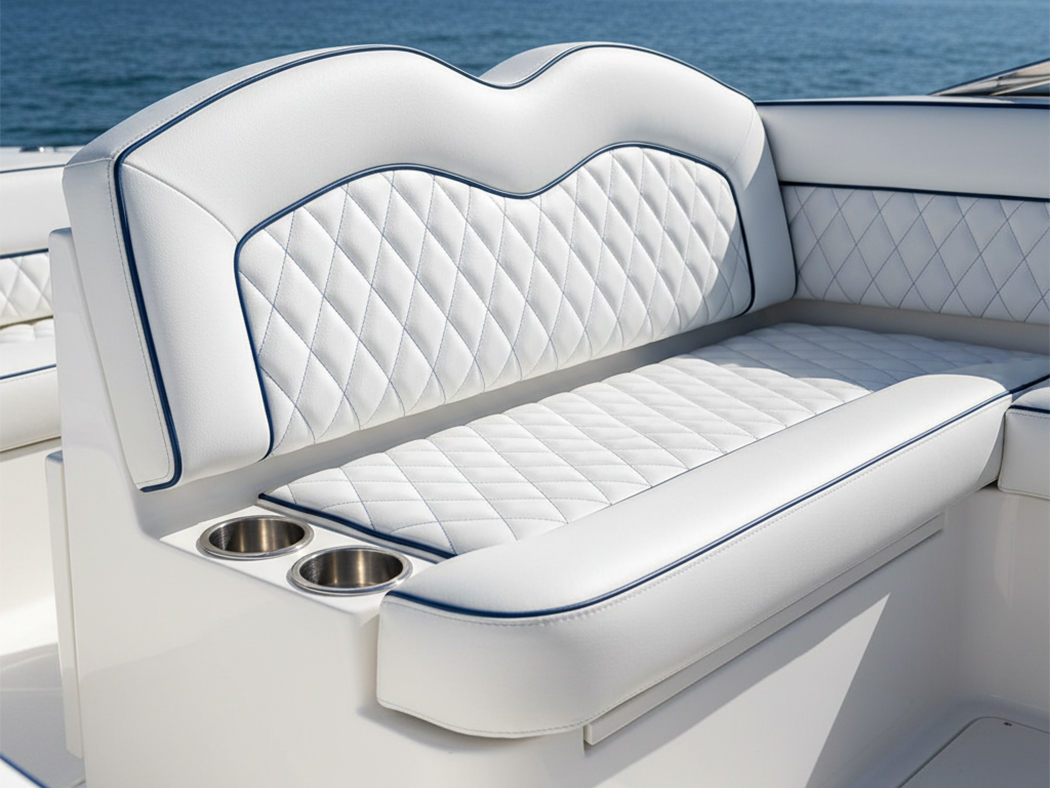
Precision-fit marine seating built to last.
Custom boat seating upholstery involves designing, repairing, and installing durable, marine-grade covers (vinyl, fabric, leather) on vessel seats, cushions, and panels to withstand UV rays, water, and mildew. The job includes measuring, cutting, sewing, fitting, and fabricating custom interiors and exteriors.
Full Enclosures / Vinyl Windshields
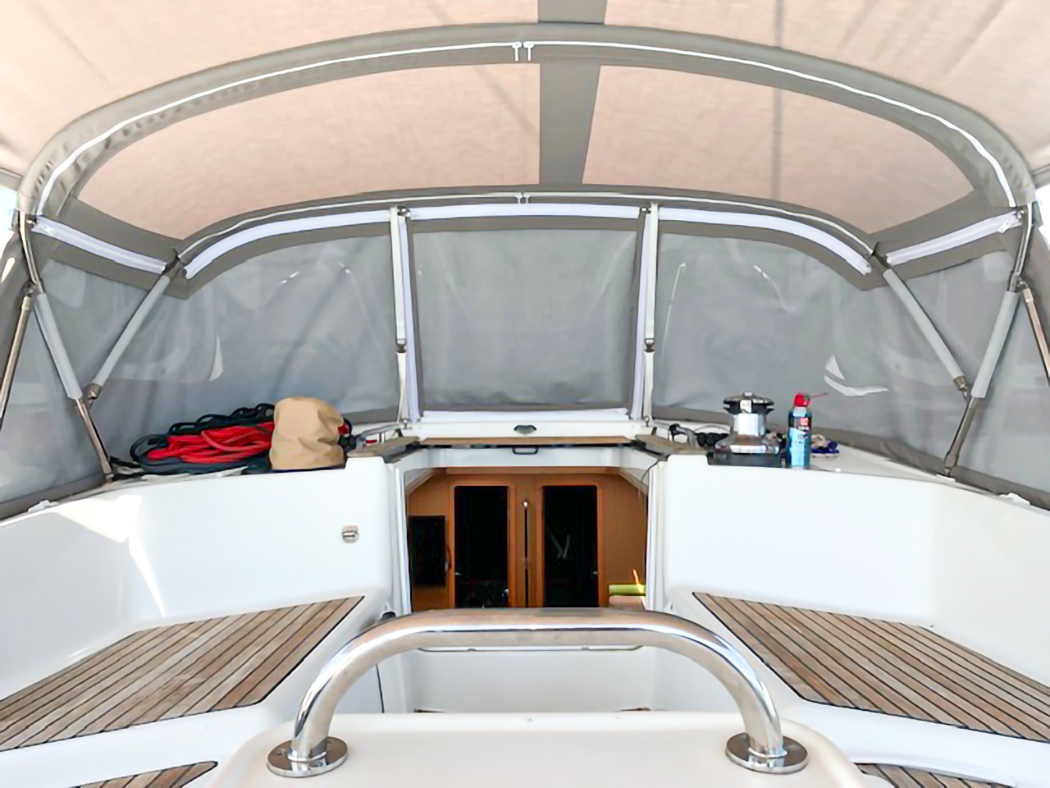
Protection from wind, rain, and sun.
A full boat enclosure job involves designing, fabricating, and installing custom, weather-resistant fabric and transparent vinyl panels to create a protective, sealed cabin-like environment, usually from the windshield or T-top to the aft deck. It requires precise measurement, framing, sewing, and installing zippers, snaps, and vinyl, often with rigid polycarbonate options for visibility.
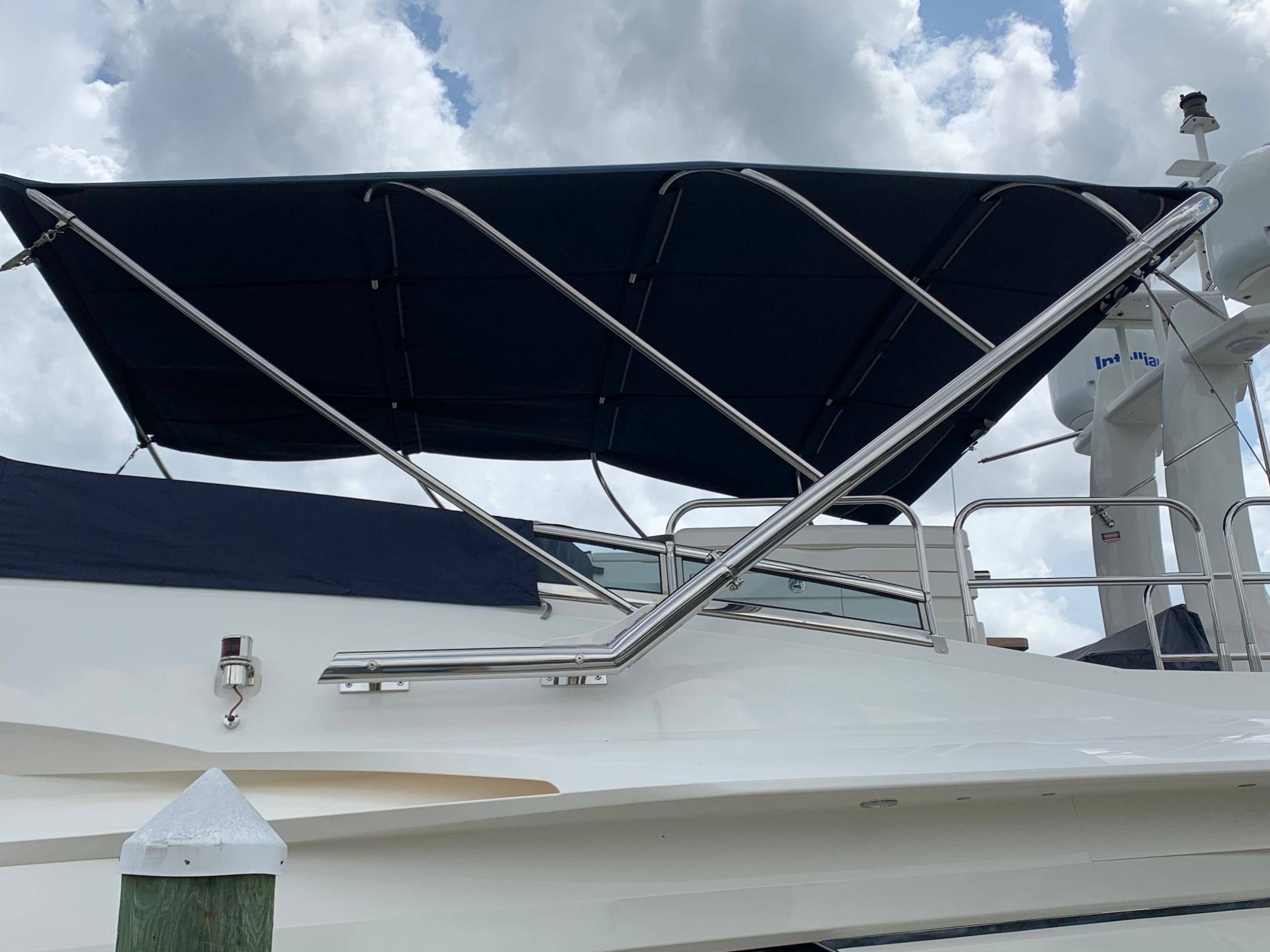
Bimini Tops / T-tops / Sand-bar-shades
Strong, clean, and perfectly fitted.
Working with bimini tops involves measuring, installing, maintaining, or replacing canvas fabric and metal frames (bows) that provide sun/rain protection on boats. Tasks include mounting hardware, adjusting tension to prevent rattling, repairing fabric, and ensuring proper fit for folding or storage.
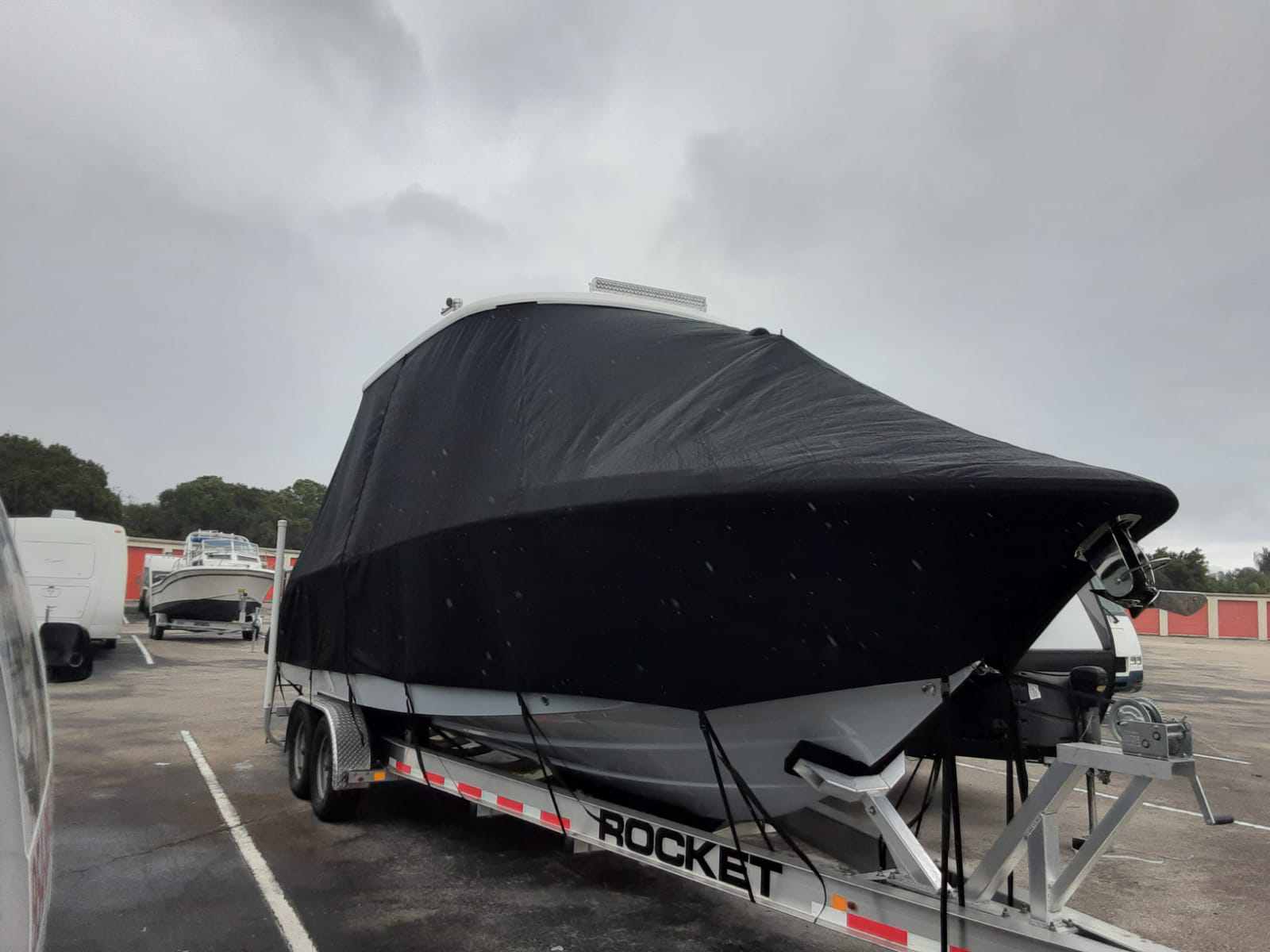
Keep your investment protected year-round..
A job involving boat covers and Bimini tops consists of designing, fabricating, installing, and repairing protective canvas/vinyl structures to shield vessels from sun, rain, and debris. It requires measuring, stitching marine-grade fabrics, assembling metal frames, and securing them to protect interiors, upholstery, and passengers.
Detailed explanation of the services mentioned above
Custom boat seating upholstery
Custom boat seating upholstery involves designing, repairing, and installing durable, marine-grade covers (vinyl, fabric, leather) on vessel seats, cushions, and panels to withstand UV rays, water, and mildew. The job includes measuring, cutting, sewing, fitting, and fabricating custom interiors and exteriors.
Key aspects of the job include:
- Fabrication & Repair: Creating new cushions or repairing existing ones, replacing foam, and replacing rotten wood bases with waterproof materials.
- Material Selection: Using specialized marine-grade vinyl and UV-resistant threads to handle harsh marine environments.
- Customization: Tailoring designs to client preferences regarding color, texture, and style.
- Installation: Removing old upholstery and installing new components, often involving technical skills to work around boat structures.
- Scope of Work: Covering items like captain’s chairs, passenger seating, sun pads, and sometimes covers or Bimini tops.
Common Skills Required:
- Precision cutting and sewing.
- Pattern making.
- Knowledge of boat structures and materials.
- Physical stamina for lifting, kneeling, and working in tight spaces.
Full Enclosures / Vinyl Windshields
A full enclosure job on a boat involves designing, fabricating, and installing a custom, weather-tight, and often modular, protective cover system, typically comprising marine-grade fabric and clear vinyl panels. It includes surveying the boat, creating patterns, sewing, and installing zippers, snaps, and windows to create a “second room” that protects against rain, wind, and sun.
Core Responsibilities of a Full Enclosure Job:
- Custom Patterning: Technicians measure and pattern the specific boat, usually from the T-top or hardtop down to the deck, ensuring a precise fit.
- Material Selection: Utilizing durable, UV-resistant marine-grade canvas or acrylic fabric (e.g., Sunbrella) for structure and clear vinyl, acrylic, or polycarbonate (e.g.Strataglass) for windows.
- Fabrication: Sewing panels together with UV-resistant thread, incorporating zippers, and creating “wings” or panels that can be rolled up or removed.
- Installation: Fitting the finished enclosure onto the boat using hardware like snaps, twist locks, or Keder tracks to create a watertight, secure seal.
- Design & Function: Creating a 360-degree, secure, and often, modular design that allows for easy access while maximizing protection.
Key Aspects of the Job
- Extending Season: Full enclosures transform open cockpits or flybridges into dry, warm, and protected spaces, extending boating season into colder, wetter weather.
- Protection & Security: They protect sensitive electronics, upholstery, and passengers from sun, wind, rain, and sea spray.
- Aesthetics & Value: A custom enclosure can significantly improve a boat’s appearance and increase its resale value.
- Complex Work: The work requires high-end, heavy-duty stitching, managing challenging materials, and precise fitment to avoid leaks or premature wear.
Bimini Tops / T-tops / Sand-bar-shades
Working with Bimini tops involves measuring, installing, maintaining, or replacing canvas fabric and metal frames (bows) that provide sun/rain protection on boats. Tasks include mounting hardware, adjusting tension to prevent rattling, repairing fabric, and ensuring proper fit for folding or storage.
Key aspects of the job include:
- Installation: Measuring, marking mounting points, and installing hardware for aluminum or stainless-steel frames.
- Fabric Maintenance: Ensuring the material is taut, cleaning, and repairing damage.
- Customization: Fitting tops for specific boat types, such as pontoon boats or sailboats.
- Repair/Replacement: Replacing worn, faded, or damaged canvas and replacing broken hardware or frame components.
Boat Covers / Slip Covers
A job involving boat covers consists of designing, fabricating, installing, and repairing protective canvas/vinyl structures to shield vessels from sun, rain, and debris. It requires measuring, stitching marine-grade fabrics, assembling metal frames, and securing them to protect interiors, upholstery, and passengers.
Key aspects of the job include:
- Measurement & Customization: Assessing boats to create custom-fit covers or Bimini tops for specific models.
- Fabrication: Cutting, sewing, and assembling marine-grade materials (acrylic, polyester) that resist UV rays, mold, and mildew.
- Installation: Setting up aluminum or stainless-steel frames (bows) and mounting brackets to the boat.
- Functional Design: Installing Bimini tops (open-air shade) or full enclosure systems with zippers and snaps for all-weather protection.
- Maintenance & Repair: Fixing rips, replacing worn fabric, adjusting frames, or replacing snaps and straps.
- Types of Covers: Creating specialized covers for storage, mooring, or travel (travel covers often require higher-grade, tighter-fitting materials).
This role is critical for preserving a boat’s resale value, preventing corrosion on metal parts, and protecting upholstery from sun damage.